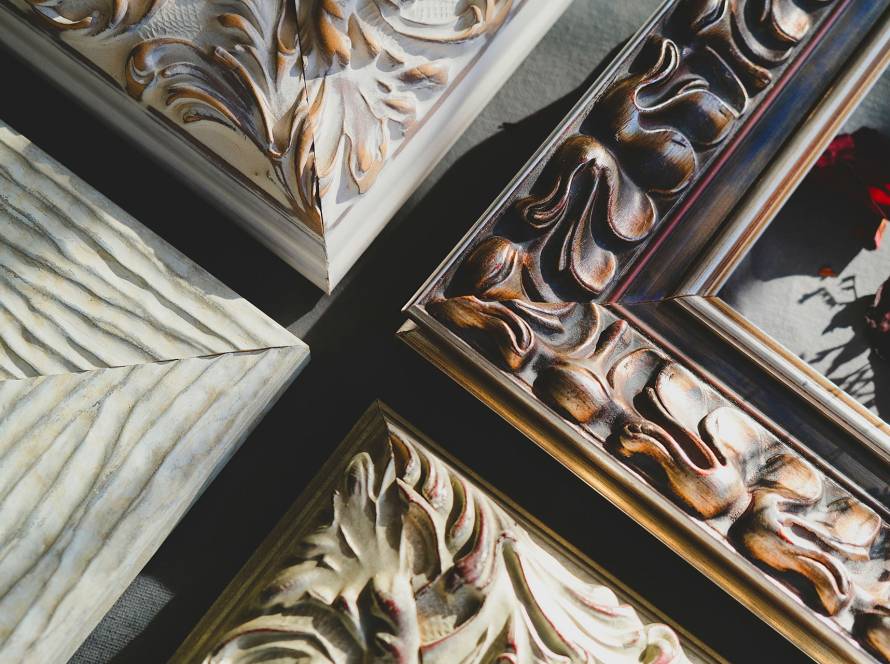
Art. Framed. It seems simple, right? But museums have tricks that turn simple framing into something almost magical. The walls whisper, the colors pop, and everything feels… right. You might walk in and not even notice the frame. Yet it’s working. Quietly. Powerfully.
Most home frames are functional. They hold. They protect. But museum framing? It does more. Much more. It shapes perception. Guides the eye. Protects decades of labor and creativity. And you can learn some of their secrets.
The Mat Isn’t Just a Border
Think mats are just decoration? Think again.
Museums use mats as pause buttons. They give your eyes a moment before diving into the art. A buffer. A breath. The right mat can control focus subtly, enhance hidden tones, and keep visual chaos at bay. Wrong mat, and your masterpiece can feel cramped. Right mat, and even a small print looks monumental.
Glass that Disappears
Ordinary glass? Protective. Fine. Transparent. But museum glass? It vanishes. Almost literally. Anti-reflective coatings. UV protection. Crystal clarity. Colors glow without glare. Details stay crisp. The artwork speaks, not the frame or the glass.
You’re seeing the art, not a barrier.
Proportion isn’t about Grandeur
Bigger frames don’t equal better. Smaller frames aren’t always subtle. Proportion is a conversation. A visual rhythm. Museums consider how frames interact with wall space, guide the viewer’s eye, and balance light and shadow. A well-proportioned frame whispers. It doesn’t shout. It frames without fighting.
The Secret In One List?
Here’s how museums quietly elevate art:
- Mats guide focus
- Glass disappears to reveal clarity
- Proportions balance and harmonize
- Mounting safeguards for longevity
Conclusion
When these four elements come together, the result feels effortless. Timeless. A silent performance that lets the artwork shine. Most people walk past it without noticing. But now you know. And when you look at a framed piece next time, you might just see the invisible hand at work.
It’s not magic. It’s a craft. And it’s quietly brilliant.