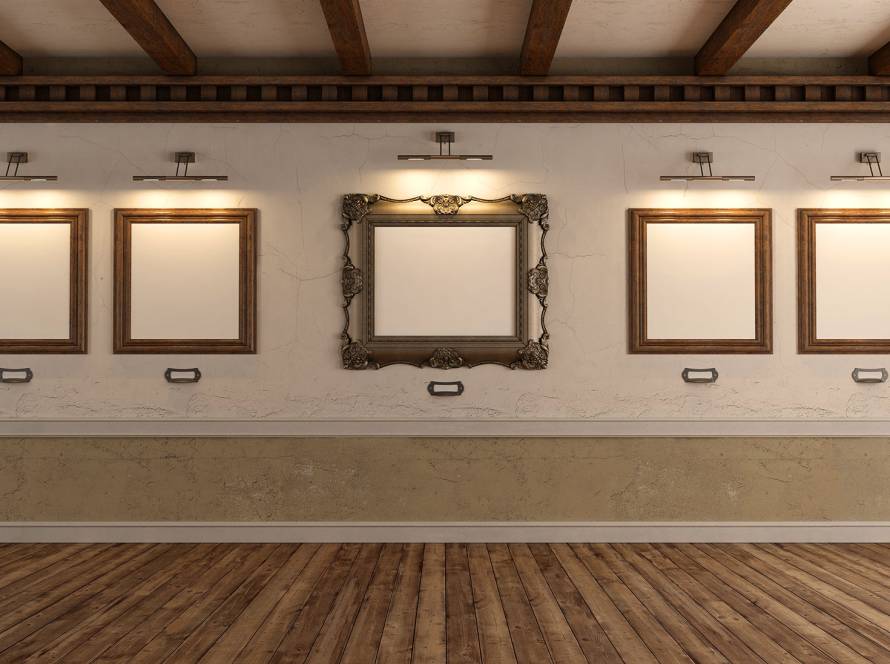
There’s something magical about the moment a beloved photo or piece of art slides into a handcrafted wooden frame. The grain catches the light, the color warms the room, and suddenly that image you’ve loved for years feels like it belongs in a gallery. If you’ve been searching for the right framing wood for pictures, you’re about to discover why this choice matters more than almost any other decision in the framing process.
Wood frames are timeless for a reason. They breathe character into a piece, complement nearly any decor style, and when chosen wisely, they can preserve your artwork for decades.
Why Wood Is Still the Gold Standard for Picture Frames
Despite the rise of metal, acrylic, and composite materials, wood continues to dominate the framing world. It’s not just nostalgia talking. Real wood offers a depth and texture that synthetic materials simply can’t replicate, and it ages beautifully when treated with care.
Wood also offers incredible versatility. From rustic reclaimed barnwood to polished walnut and ornate gilded maple, there’s a wooden frame to match every artistic vision. It’s strong, sustainable when sourced responsibly, and easy to refinish if your style evolves over time.
The Best Types of Framing Wood for Pictures
Not all wood is created equal, and choosing the right species can make the difference between a frame that lasts a lifetime and one that warps within a year. Here are the most popular options professional framers reach for again and again.
Oak
Oak is the workhorse of the framing world. It’s hard, durable, and features a pronounced grain that adds visual interest. Red oak tends to have warmer tones, while white oak leans cooler and more refined. Both stain beautifully and resist warping in changing humidity.
Walnut
If you want a frame that whispers sophistication, walnut delivers. Its rich chocolate tones deepen with age, and the tight grain looks luxurious whether stained or left natural. Walnut pairs especially well with black-and-white photography and modern abstract art.
Maple
Maple is dense, smooth, and takes paint or stain with remarkable consistency. Its subtle grain pattern makes it ideal when you want the artwork to remain the star of the show. It’s also one of the more affordable hardwoods, which makes it a favorite for DIY framers.
Pine
Pine is the go-to choice for budget-conscious projects and rustic aesthetics. It’s soft, easy to cut, and accepts paint readily. Just keep in mind that pine dents easier than hardwoods, so it’s best for frames that won’t be handled frequently.
Cherry
Cherry wood develops a gorgeous reddish patina over time. It’s medium-hard, works well with hand tools, and brings a warmth that feels almost vintage right out of the gate. Many heirloom-quality frames are built from cherry for this reason.
Hardwood vs Softwood: Which Should You Pick?
The hardwood versus softwood debate boils down to your priorities. Hardwoods like oak, walnut, maple, and cherry offer superior durability, finer finishing options, and a more premium look. They’re also heavier and more expensive.
Softwoods like pine, cedar, and fir are lighter on your wallet and easier to work with if you’re cutting and joining frames yourself. They’re perfect for casual pieces, kids’ rooms, or temporary displays. For artwork you want to preserve for generations, hardwoods almost always win.
Matching Wood to Your Artwork
Choosing framing wood isn’t just about preference. The wood should enhance the piece, not compete with it. Here are some pairings that consistently work well:
- Vintage photographs: Walnut, cherry, or distressed oak
- Modern prints: Maple, ash, or painted hardwood
- Watercolors and pastels: Light maple or birch with soft finishes
- Oil paintings: Ornate gilded woods or deep walnut
- Family photos: Warm oak, cherry, or pine for a homey feel
- Botanical prints: Reclaimed wood or natural unfinished hardwoods
Finishing Options That Bring Wood to Life
Raw wood is beautiful, but the right finish can elevate it dramatically. Stains penetrate the grain and highlight the natural patterns, while paints offer bold color choices and a uniform look. Clear sealers like polyurethane or wax protect the wood without changing its appearance much.
For a more dramatic look, consider techniques like ebonizing, liming, or distressing. Each method gives wood a completely different personality. Test your finish on a scrap piece first, because once it’s on the frame, undoing it is a real chore.
Common Mistakes to Avoid
Even experienced DIYers stumble over a few predictable pitfalls when working with framing wood. Knowing what to watch for can save you hours of frustration and a lot of wasted material.
- Using untreated wood near humidity: Bathrooms, kitchens, and basements will warp untreated wood quickly.
- Skipping the acid-free backing: The wood itself can leach acids into your artwork over time.
- Choosing wood that’s too heavy: Oversized hardwood frames need substantial wall anchors.
- Ignoring grain direction: Mismatched grain on adjoining miters looks amateur and distracting.
- Forgetting to seal end grain: Exposed end grain absorbs moisture faster than face grain, leading to warping.
If you’re serious about protecting valuable pieces, learning a few professional framing secrets worth knowing can completely change how you approach every project from here on out.
Sustainability and Sourcing
More framers and homeowners are paying attention to where their wood comes from, and rightfully so. Look for FSC-certified lumber, reclaimed wood from old barns or buildings, or locally milled species that didn’t travel halfway around the world to reach you.
Reclaimed wood in particular has become a favorite for picture frames. It carries history, often features beautiful weathering that can’t be faked, and keeps usable material out of landfills. Just inspect it carefully for nails, rot, or pests before bringing it into your shop or home.
Tools You’ll Need for DIY Wood Framing
If you’re planning to build your own frames, having the right tools makes a massive difference in the final result. At minimum, you’ll want:
- A miter saw or miter box with a quality fine-tooth blade
- Wood glue rated for joinery
- Corner clamps or a frame clamp
- Sandpaper in multiple grits
- A nail gun or small finishing nails
- Your chosen stain, paint, or sealer
- A router if you want to cut a rabbet for the glass and artwork
Final Thoughts on Choosing Framing Wood
Selecting the right framing wood for pictures is part craft, part art, and part personal expression. The wood you choose will live with that piece for years, so take your time, handle samples in person when possible, and consider how the frame will look in the room where it will hang. A great frame doesn’t just hold a picture. It tells you the picture matters.
Whether you go with rich walnut, sturdy oak, or budget-friendly pine, the most important thing is that your choice reflects the value of what’s inside the frame. Treat the wood well, finish it thoughtfully, and your frames will continue telling their stories long after the trends have moved on.