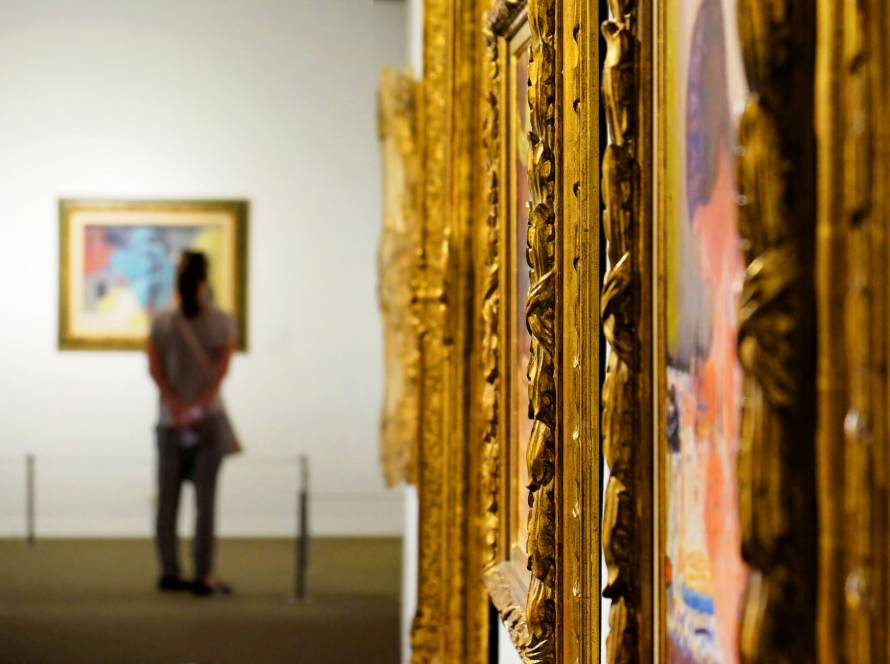
Artwork tells a story long after the paint dries or the photograph develops. Yet time, light, and environment quietly work against it. Many people assume a frame is just decorative. In reality, professional framing acts as a protective barrier that slows down deterioration and helps artwork age with dignity.
Why Does Artwork Fade Inside Regular Frames?
Sunlight feels harmless at first. A warm glow across a wall. Soft shadows in the afternoon. Over time, though, ultraviolet exposure breaks down pigments and paper fibers. Colors lose intensity. Whites turn yellow.
Professional framers often use UV-filtering glass or acrylic to block harmful rays. This material allows light to pass through while reducing damage. Placement also matters. Even the best glazing cannot fully protect artwork if it sits directly across from a bright window. Small adjustments extend the life of a piece more than most people expect.
What Materials Keep Artwork from Turning Yellow or Brittle?
The materials touching the artwork matter just as much as the frame itself. Cheap backing boards and acidic mats release chemicals that slowly stain paper and fabric.
Professionals choose archival materials designed for preservation. These include:
- Acid-free mat boards that prevent discoloration
- Conservation-grade backing that stabilizes the piece
- Protective spacers that keep artwork from sticking to glass
These layers work quietly behind the scenes. You rarely notice them, yet they carry much of the protective weight.
How Do Framers Protect Artwork from Humidity and Dust?
Air carries moisture. Dust floats unnoticed until it settles into delicate surfaces. Over time, humidity causes warping, mold, or subtle rippling across paper-based artwork. A professional framing setup creates a controlled environment. Sealed backing reduces airflow. Proper mounting techniques prevent the artwork from shifting when temperatures change.
The goal is balance. Not too tight. Not too loose. Just enough structure to hold the piece safely without stressing its edges.
Can framing Techniques Prevent Long-Term Warping?
Yes, when done correctly. Many DIY framing attempts rely on tape or adhesives that seem secure at first but eventually pull or stain the artwork. Professional framers use reversible mounting methods whenever possible.
Common approaches include:
- Hinging techniques that allow natural movement
- Floating mounts that reduce pressure on fragile edges
- Support boards that distribute weight evenly
These methods protect the integrity of the piece while allowing it to breathe slightly within the frame.
Does the Choice of Frame Itself Affect Preservation?
Surprisingly, yes. Frames do more than hold glass in place. Their depth, ventilation, and structural strength influence how the artwork responds to environmental changes.
Deeper frames create space between the artwork and glazing. This prevents condensation and reduces the chance of surfaces sticking together. Strong corners keep everything aligned, even as humidity shifts throughout the year. A well-designed frame acts like a quiet shield.
Why Do Professional Framing Details Matter More Over Time?
Artwork rarely shows damage immediately. Deterioration happens slowly. Colors fade gradually. Paper fibers weaken little by little. That’s why professional framing focuses on prevention rather than repair.
Good framing does not draw attention to itself. It supports the artwork without competing with it. Years later, when a piece still looks vibrant and stable, the difference becomes clear. Preservation comes from thoughtful choices. Materials. Placement. Technique. Professional framers combine all three, turning a simple frame into a long-term safeguard for the stories artwork carries.