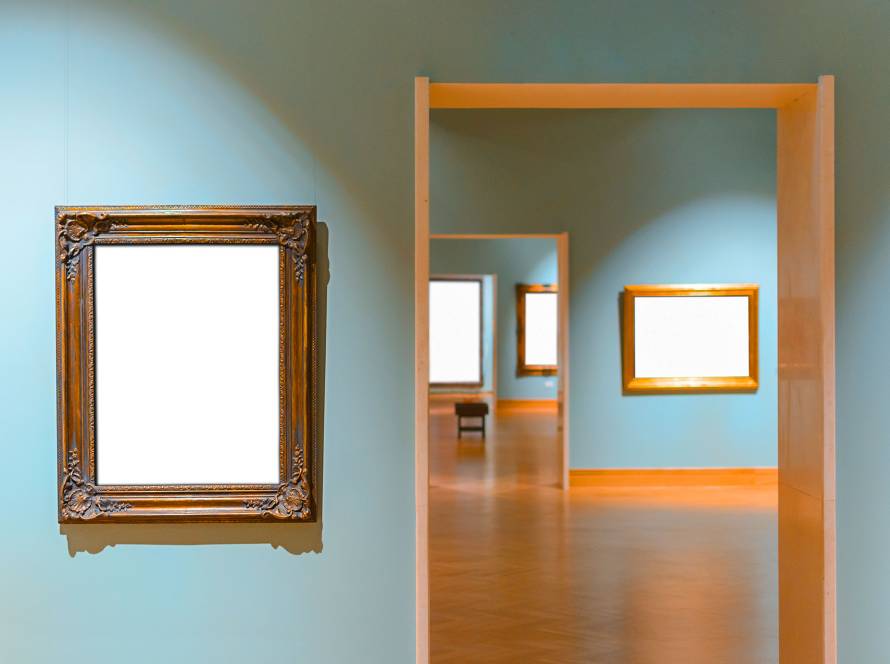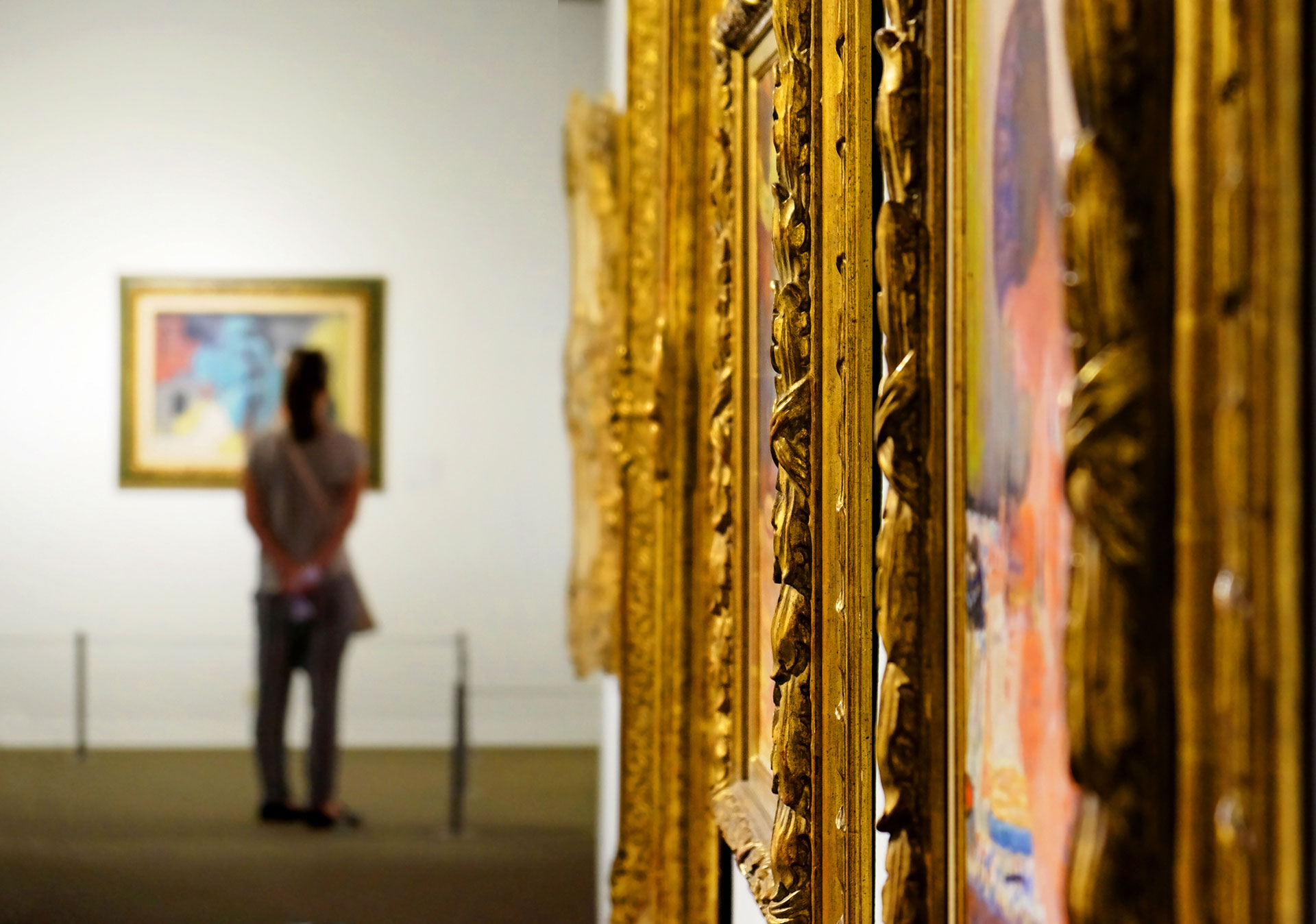
There’s a quiet kind of magic that happens the moment a piece of art slides into the right frame. The colors seem to breathe a little deeper. The edges feel intentional instead of accidental. And suddenly, that print you grabbed on a whim looks like it belongs in a gallery rather than a garage sale bin. Getting art in the frame right isn’t just about slapping some wood around a canvas and calling it done. It’s a craft, a science, and honestly, a little bit of an art form itself. Whether you’re framing a family photo, a museum print, or an original watercolor, the frame you choose shapes how the world sees that piece forever.
What Does “Art in the Frame” Actually Mean?
Art in the frame refers to the complete presentation of artwork once it’s been matted, bordered, and enclosed within a frame structure. It combines protection, visual enhancement, and archival preservation, transforming a raw piece of art into a finished, display-ready work suited for any wall or gallery setting.
Why the Right Frame Changes Everything
A frame is never just a border. It’s a visual bridge between the artwork and the room it lives in. Choose wrong, and even a masterpiece can feel flat or out of place. Choose well, and a simple sketch can command an entire wall.
- Color harmony: Frames pull tones from the art and echo them intentionally.
- Depth and dimension: Matting creates breathing room so the eye doesn’t feel crowded.
- Protection: Glazing and backing materials shield against dust, light, and humidity.
- Longevity: Acid-free materials prevent yellowing and deterioration over decades.
The Emotional Impact of a Well-Framed Piece
There’s a psychological shift that happens when art is properly framed. It signals value. It tells the viewer, “this matters.” A framed piece feels finished, curated, and worthy of attention, even if the art itself is something as simple as a child’s drawing or a pressed flower.
Choosing the Right Frame Style for Your Artwork
Not every piece calls for the same treatment. The style, era, and mood of the art should guide the framing decision, not the other way around.
- Minimalist frames for modern prints and photography
- Ornate wood frames for classical paintings or heirloom pieces
- Floating frames for canvases where you want the edges visible
- Metal frames for sleek, contemporary spaces
If you’re unsure where to start, working with specialists who understand how art in the frame should look and feel in different settings can save you from costly trial and error. A professional eye often spots pairing options a casual shopper would never consider.
Matting: The Unsung Hero
Matting does more than add white space. It creates a visual pause between the art and the frame edge, letting the piece feel intentional rather than cramped. Double mats, colored mats, and even textured mats can dramatically shift the overall presentation.
Common Mistakes People Make When Framing Art
Even well-intentioned framing choices can go sideways. Here are a few pitfalls worth avoiding:
- Using non-archival materials that cause discoloration over time
- Choosing frames too thin or too thick for the piece’s scale
- Skipping UV-protective glazing for sun-exposed walls
- Ignoring the room’s existing decor when picking frame color or finish
Avoiding these missteps ensures your artwork stays vibrant and structurally sound for generations, not just for the next few seasons.
How Framing Preserves Value Over Time
For collectors and casual art lovers alike, preservation matters. Proper framing techniques, like acid-free backing, spacers to prevent glass contact, and UV-filtering glass, protect the physical integrity of the piece. This is especially crucial for limited editions, original paintings, or sentimental items that can’t be replaced.
🖼️ Protects
Shields against UV rays, moisture, and dust buildup.
🎨 Enhances
Draws the eye and elevates the art’s visual impact.
📦 Preserves
Maintains structural integrity for long-term display.
Frequently Asked Questions
Does the type of glass used in framing really matter?
Yes, significantly. UV-protective and non-glare glass options help prevent fading and make the art easier to view under different lighting conditions.
Can any artwork be reframed later without damage?
In most cases, yes, especially if the original framing used acid-free mats and proper mounting techniques that don’t permanently attach the art to the backing.
Is matting always necessary for framed art?
Not always. Some pieces, particularly canvases or bold graphic prints, look striking without a mat. It depends on the style and desired visual effect.
How often should framed art be inspected?
A quick check every couple of years is wise, especially in humid climates, to ensure no moisture damage or frame warping has occurred.
Bringing It All Together
Framing is where craftsmanship meets storytelling. It’s the final, quiet decision that determines whether a piece of art simply hangs on a wall or truly comes alive within a room. From material choices to matting techniques, every detail plays a role in how the artwork is experienced and preserved.
When done thoughtfully, art in the frame becomes more than decoration. It becomes a lasting piece of personal or cultural history, protected and celebrated for years to come.